












Currency in Europe

Planning your Eurail trip? It’s handy to know the different currencies you´ll need along the way, as not all European countries use the Euro. In fact, 13 of the 33 countries you can visit by rail with a Eurail Global Pass have their own currency.
To help you plan your trip, we put together a list detailing which countries use the Euro and which use a different currency.
Countries that use the euro (€)
Austria, Belgium, Bulgaria, Croatia, Estonia, Finland, France, Germany, Greece, Ireland, Italy, Latvia, Lithuania, Luxembourg, Montenegro, Netherlands, Portugal, Slovakia, Slovenia, Spain
Countries that use other currencies
Bosnia Herzegovina, Czechia, Denmark, Great Britain (and Northern Ireland), Hungary, North Macedonia, Norway, Poland, Romania, Serbia, Sweden, Switzerland, Türkiye
How to exchange your money
Here are the best ways to get the currencies you'll need on your trip:
Exchange money into the local currency before you arrive in each country.
Withdraw local currency from an ATM once you arrive. There's almost always an ATM in main train stations.
What currencies do other countries use?
| Country | Currency | Code | Symbol |
|---|---|---|---|
| Bosnia Herzegovina | Convertible Marka | BAM | KM |
| Czechia | Czech Koruna | CZK | Kč |
| Denmark | Danish Krone | DKK | kr. |
| Great Britain (and Northern Ireland) | Pound sterling | GBP | £ |
| Hungary | Hungarian Forint | HUF | Ft |
| North Macedonia | Macedonian Denar | MKD | ден |
| Norway | Norwegian Krone | NOK | kr |
| Poland | Polish Złoty | PLN | zł |
| Romania | Romania New Leu | RON | lei |
| Serbia | Serbian Dinar | RSD | РСД |
| Sweden | Swedish Krona | SEK | kr |
| Switzerland | Swiss Franc | CHF | CHF |
| Türkiye | Turkish Lira | TRY | ₺ |
Also good to know
-
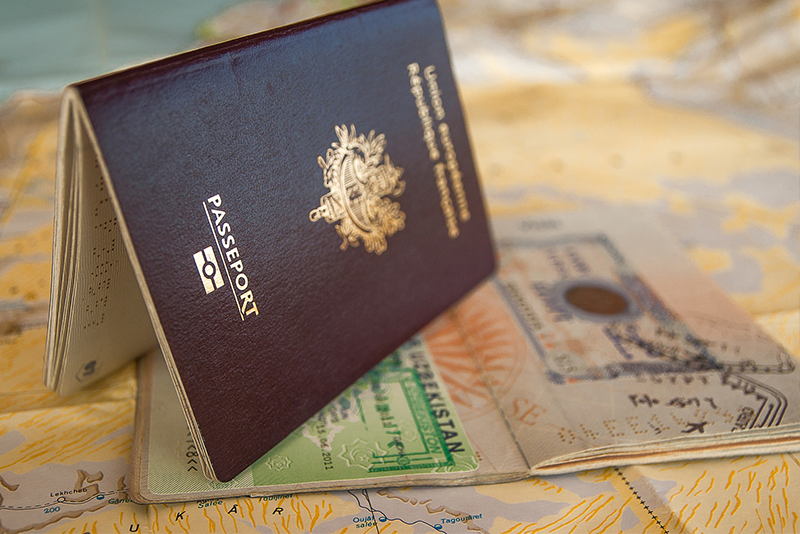 Visa and Regulations Find out everything you need to know about European Visa regulations, the Schengen area and the no-border system.
 -
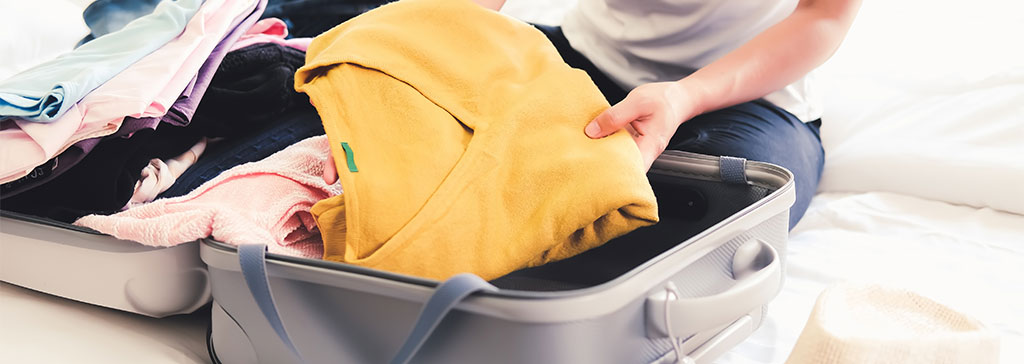 Packing checklist Use our checklist of things not to forget when packing for your Eurail trip.
 -

Change of currency
You cannot change the currency once you have a Pass in your cart. Remove the Pass, and then change the currency on the website header.